


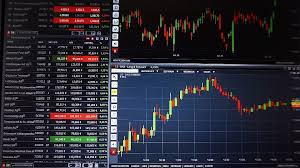
Mastering Forex Trading: Your Ultimate Guide to Success
Foreign exchange (Forex or FX) trading is more than just a financial endeavor; it’s a global phenomenon that attracts millions of traders and investors across the world. Whether you are a novice or an experienced trader, understanding the key components of forex trading is essential to unlocking your potential. This guide will explore various aspects of forex trading, including essential terminology, strategies, tools, and tips for success in the competitive world of currency trading. For comprehensive resources on forex trading, visit forex trading site kuwait-tradingplatform.com.
What is Forex Trading?
Forex trading refers to the act of buying one currency while simultaneously selling another. It occurs in the foreign exchange market, which is the largest and most liquid financial market in the world. The forex market operates 24 hours a day, five days a week, and involves participants such as banks, financial institutions, corporations, and individual traders who speculate on currency price movements.
Understanding Currency Pairs
Currency pairs are the foundation of forex trading. A currency pair consists of two currencies: the base currency and the quote currency. For example, in the currency pair EUR/USD, EUR is the base currency and USD is the quote currency. The price of the currency pair indicates how much of the quote currency is needed to purchase one unit of the base currency.
Types of Currency Pairs
Currency pairs are typically categorized into three main types:
- Major pairs: These include the most traded currencies, such as EUR/USD, GBP/USD, and USD/JPY.
- Minor pairs: These are less commonly traded pairs that do not involve the USD, such as EUR/GBP and AUD/NZD.
- Exotic pairs: These involve a major currency paired with a currency from a developing economy, like USD/TRY (Turkish Lira) or EUR/SGD (Singapore Dollar).
Forex Trading Strategies
To succeed in forex trading, having a well-defined trading strategy is crucial. Here are some common forex trading strategies that traders use:
1. Day Trading
Day trading involves opening and closing trades within a single day, with the aim of profiting from short-term price movements. Day traders rely on technical analysis, chart patterns, and indicators to make quick decisions.
2. Swing Trading
Swing trading is a strategy that focuses on capturing price swings or trends over a period of several days to weeks. Swing traders use both technical and fundamental analysis to identify potential reversal points and trade setups.
3. Scalping
Scalping is an ultra-short-term trading strategy that involves making many small trades throughout the day, aiming to profit from tiny price movements. Scalpers typically hold positions for minutes or even seconds.
Technical and Fundamental Analysis
Two main types of analysis used in forex trading are technical analysis and fundamental analysis. Both play a vital role in making informed trading decisions.
Technical Analysis
Technical analysis involves studying historical price charts and patterns to forecast future price movements. Traders use various indicators and tools, such as moving averages, Relative Strength Index (RSI), and Fibonacci retracement levels, to make predictions about future forex price movements.
Fundamental Analysis

Fundamental analysis focuses on economic indicators, news events, and geopolitical factors that can influence currency prices. Key economic data such as GDP growth, employment rates, and interest rates are crucial for assessing a currency’s value.
Risk Management in Forex Trading
Managing risk is crucial in forex trading, as the foreign exchange market can be highly volatile. Here are key risk management tips every trader should consider:
1. Use Stop-Loss Orders
Placing stop-loss orders helps protect your investment by automatically closing your position at a predetermined price, limiting your losses in case the market moves against you.
2. Diversify Your Portfolio
Diversification can help mitigate risk by spreading your investments across various currency pairs rather than focusing on just one or two. This approach can reduce the impact of adverse movements in any single currency.
3. Set a Risk-Reward Ratio
Before entering a trade, establish a risk-reward ratio that reflects your risk tolerance. A common guideline is to aim for at least a 1:2 risk-reward ratio, meaning for every dollar risked, you aim to make two dollars in profit.
The Importance of a Trading Journal
Maintaining a trading journal can significantly enhance your trading performance. Documenting your trades allows you to reflect on your decisions, analyze your successes and failures, and identify patterns that lead to profitable trades or losses. Over time, this can help you refine your trading strategy and improve your overall performance.
Choosing a Forex Broker
Selecting the right forex broker is crucial for your trading experience. Consider the following factors when choosing a broker:
1. Regulation
Ensure that the broker is regulated by a reputable financial authority, which can provide security for your funds and ensure fair trading practices.
2. Trading Platform
The trading platform should be user-friendly, stable, and offer the necessary tools and features for effective trading.
3. Spread and Commission
Evaluate the spreads and commissions charged by the broker, as these will affect your trading profitability. Look for competitive pricing to maximize your earnings.
Conclusion
Forex trading offers vast opportunities for profit, but it requires knowledge, skill, and discipline. By understanding the fundamental concepts of currency trading, employing effective strategies, managing risk, and continuously learning from your experiences, you can position yourself for success in the forex market. Whether you are just starting your trading journey or looking to enhance your existing skills, the information outlined in this guide can serve as a vital resource. Always remember to stay updated on market trends and adapt your strategy regularly to meet changing market conditions.
For further guidance and resources tailored to your forex trading needs, explore specialized platforms and stay connected with the trading community.
